
Phaco Cataract Surgery
Phaco surgery removes a cloudy lens through a small opening and replaces it with a clear artificial lens (IOL) to restore clearer vision.
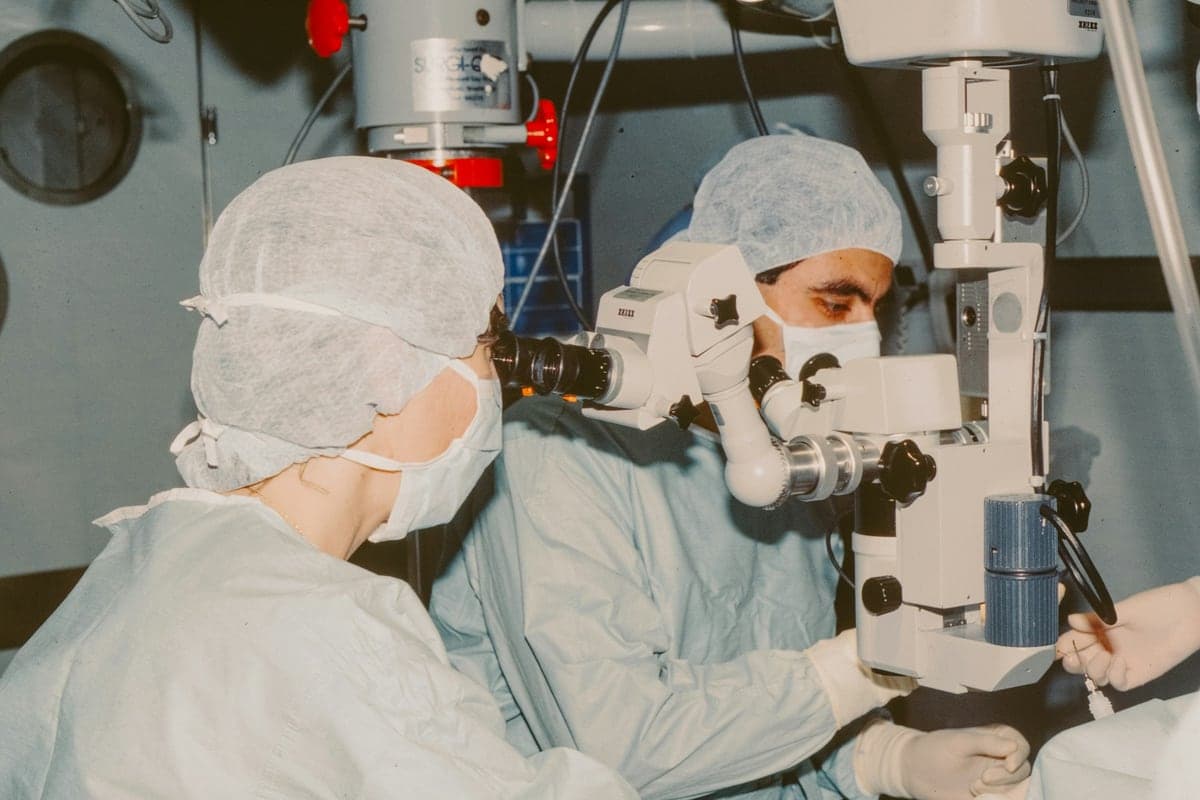
Removal of a cloudy natural lens and replacement with a clear artificial lens.
Phaco surgery removes a cloudy lens through a small opening and replaces it with a clear artificial lens (IOL) to restore clearer vision.

Laser and lens options that reduce dependence on glasses and contact lenses.
LASIK uses a laser to reshape the cornea and correct short-sight, long-sight and astigmatism, reducing dependence on glasses and contact lenses.
Contoura LASIK is topography-guided LASIK: a detailed map of your cornea is used to plan a laser treatment customised to your eye.
PRK corrects glasses power by reshaping the cornea's surface with a laser, without making a flap — an option when LASIK is not suitable.
A phakic IOL is a thin lens placed inside the eye, in front of your natural lens, to correct high glasses power when laser surgery is not suitable.
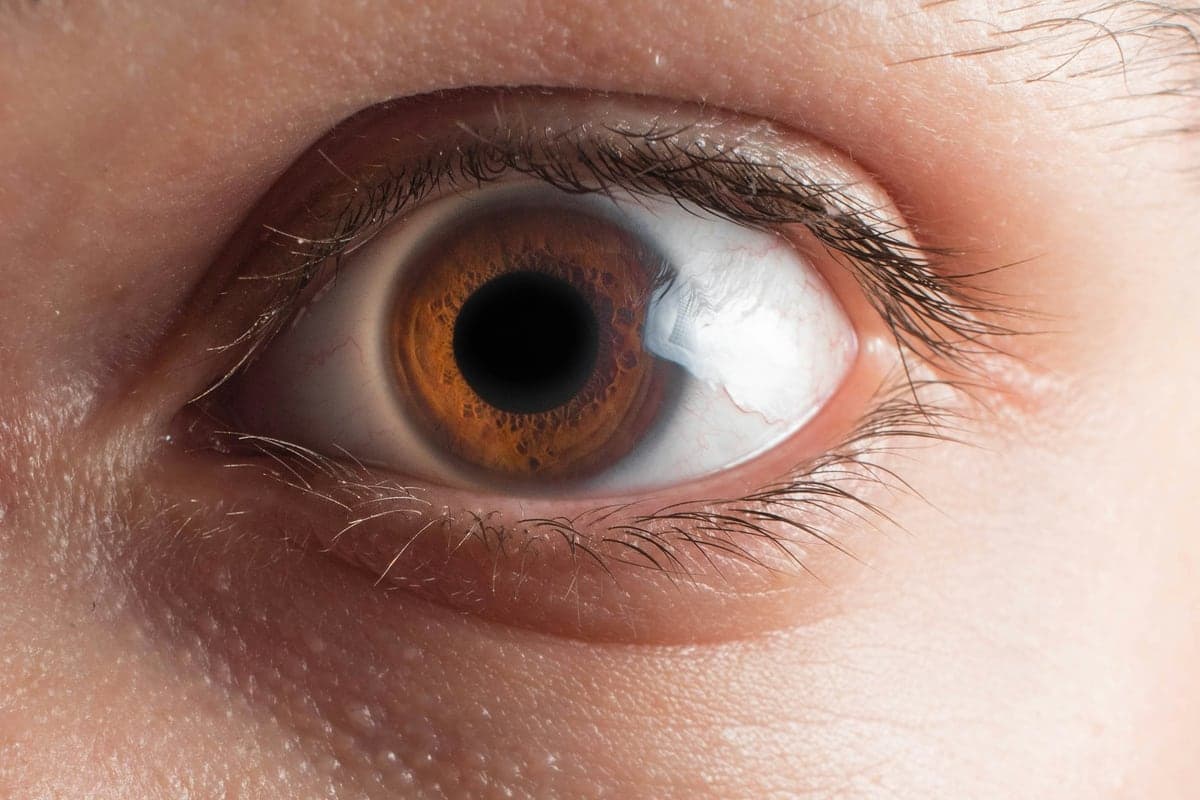
Early diagnosis and lifelong care to protect the optic nerve and preserve sight.
Diagnosis and long-term care of glaucoma — eye pressure checks, eye drops, laser and surgery to protect the optic nerve and preserve sight.
Trabeculectomy is glaucoma surgery that creates a new drainage path for fluid inside the eye, lowering eye pressure when drops or laser are not enough.
One operation that removes a cataract and treats glaucoma together, for selected patients who need surgery for both conditions.
Cyclocryotherapy uses controlled freezing to reduce fluid production inside the eye and lower eye pressure in selected cases of difficult glaucoma.
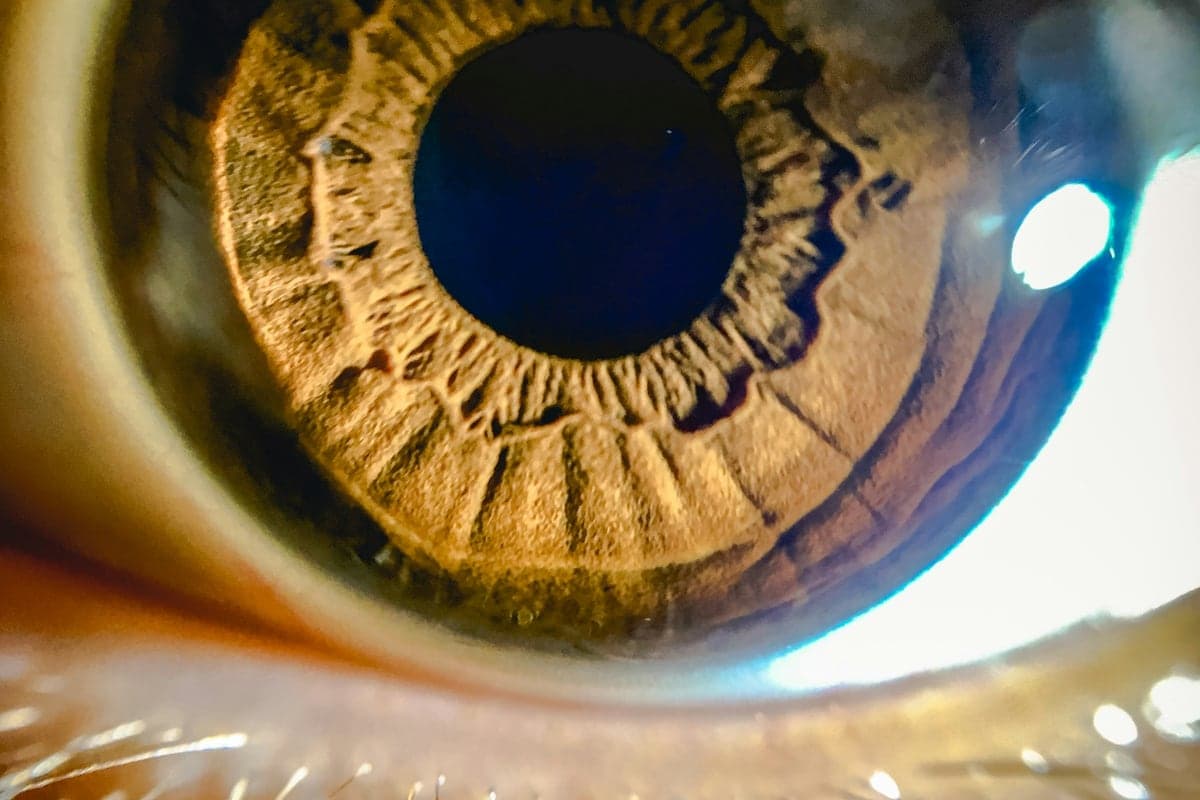
Treatment for a damaged, weak or cloudy cornea — the clear front window of the eye.
Keratoplasty replaces a damaged or cloudy cornea with healthy donor tissue — either the whole cornea or only its damaged layers.
Collagen cross-linking (C3R) uses riboflavin drops and UV light to strengthen a weak cornea and slow or stop the progression of keratoconus.
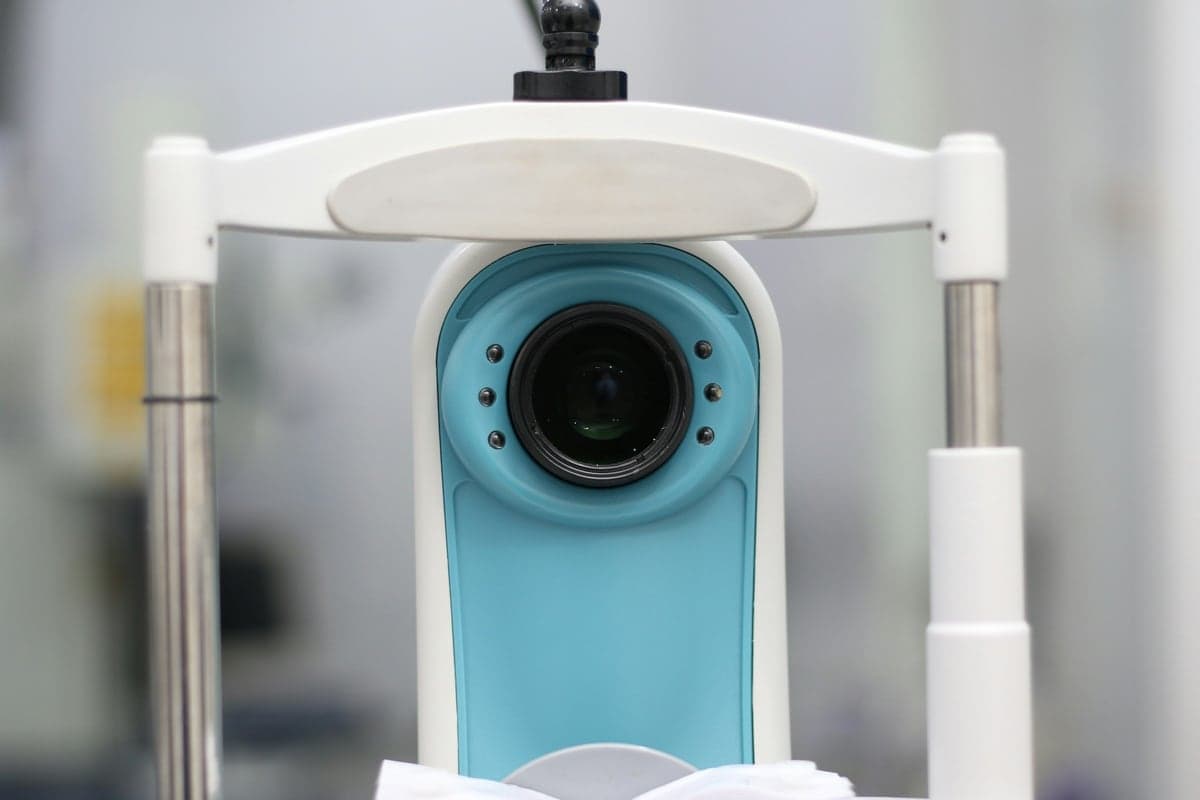
Diagnosis and treatment of conditions affecting the light-sensitive layer at the back of the eye.
Screening and treatment of diabetic retinopathy — diabetes-related damage to the retina — with laser, eye injections and regular monitoring.
Diagnosis and treatment of age-related macular degeneration (AMD), which affects central vision, including OCT scans and eye injections.
Urgent surgery to reattach the retina — the light-sensitive layer at the back of the eye — using vitrectomy, scleral buckle or laser techniques.
Medicine injected into the eye to treat wet AMD, diabetic macular oedema and retinal vein occlusion by reducing swelling and abnormal vessels.
Diagnosis and treatment of retinal vein occlusion — a blocked vein in the retina — with eye injections, laser treatment and monitoring.
Screening and treatment for retinopathy of prematurity (ROP), a condition in premature babies where the retina's blood vessels do not develop normally.
Surgery on the retina and vitreous — including vitrectomy and scleral buckling — for retinal detachment, vitreous haemorrhage and other retinal conditions.
Eyelid, tear-duct and eye-alignment surgery for children and adults.
Ptosis surgery lifts a drooping upper eyelid by tightening or reattaching the lifting muscle, improving the eyelid position and field of vision.
Squint surgery adjusts the eye muscles to straighten misaligned eyes in children and adults, helping the eyes work together.
Ectropion repair tightens a lower eyelid that has turned outward, protecting the eye from dryness, watering and irritation.
Entropion repair corrects an eyelid that turns inward, so the lashes stop rubbing against the eye and causing pain, redness and damage.
DCR surgery creates a new drainage path for tears from the eye into the nose, treating a blocked tear duct that causes watering or infection.
Lacrimal probing clears a blocked tear duct in babies and young children with a fine instrument, relieving persistent watering and discharge.
Tarsorrhaphy partly closes the eyelids to protect the surface of the eye and help it heal in selected conditions.
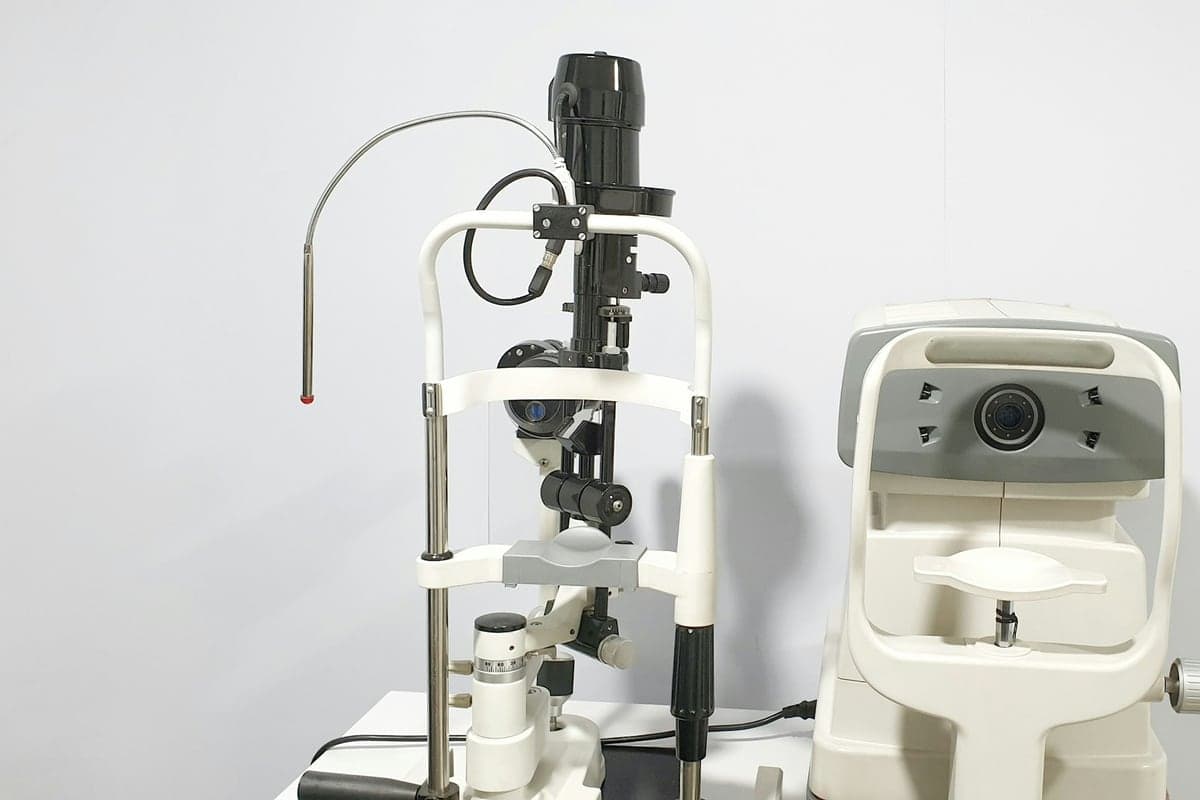
Outpatient laser treatments for the retina, for glaucoma and after cataract surgery.
PRP laser treats abnormal new blood vessels in the retina, most often caused by diabetes, to lower the risk of bleeding and severe vision loss.
A quick outpatient laser that clears the cloudy membrane that can form behind a lens implant months or years after cataract surgery.
YAG laser iridotomy makes a tiny opening in the iris to improve fluid flow inside the eye, preventing or treating angle-closure glaucoma.
SLT is an outpatient laser that improves fluid drainage in the eye to lower eye pressure in open-angle glaucoma or ocular hypertension.
LIO delivers laser to the outer edges of the retina through a head-mounted instrument, to treat retinal tears and some retinal vessel disorders.
Retinal laser that treats leaking blood vessels and swelling near the centre of the retina in selected cases of macular oedema.
Laser retinopexy seals selected retinal tears or breaks with laser spots, lowering the risk of them progressing to a retinal detachment.
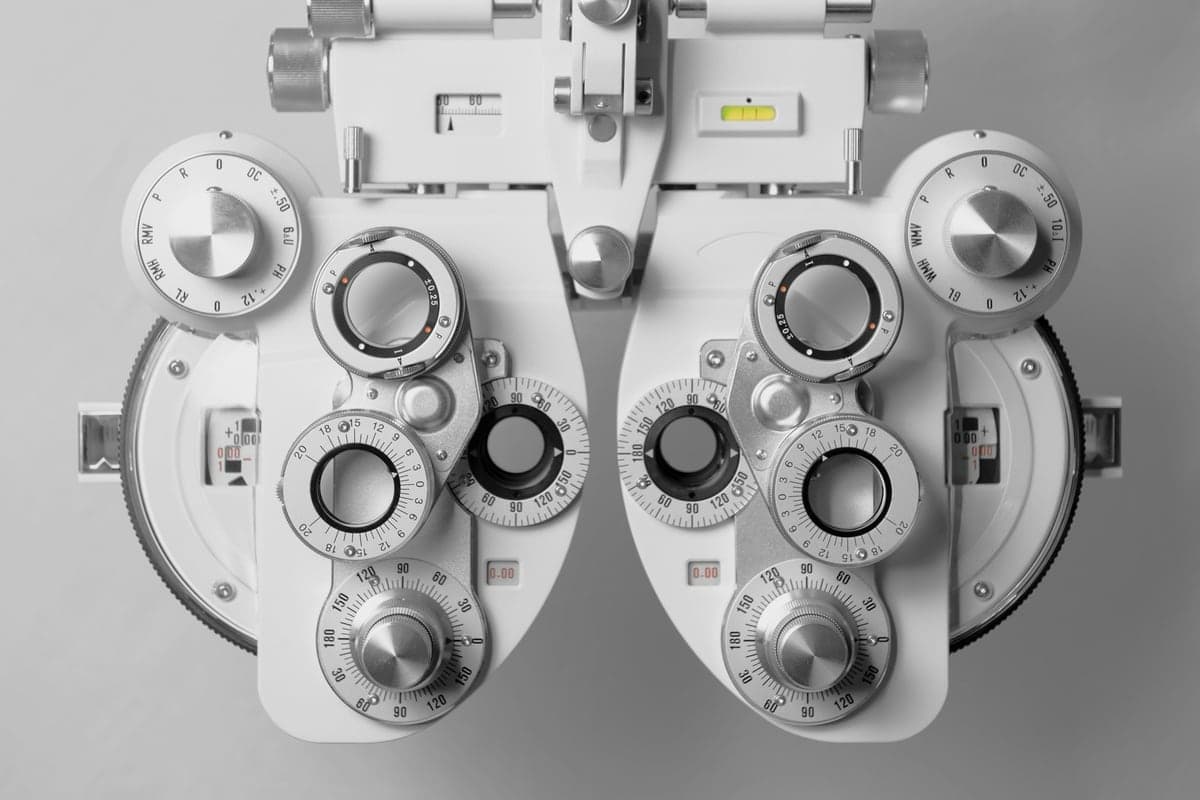
Scans and tests that help detect eye disease early and track treatment.
OCT is a quick, non-contact scan that takes detailed cross-section images of the retina and optic nerve to diagnose and monitor eye disease.
Seven tests used to examine the retina — from fundus photography and OCT angiography to ROP screening — to detect disease early and plan treatment.
Book an eye check-up. Your doctor will examine your eyes and explain the options.